


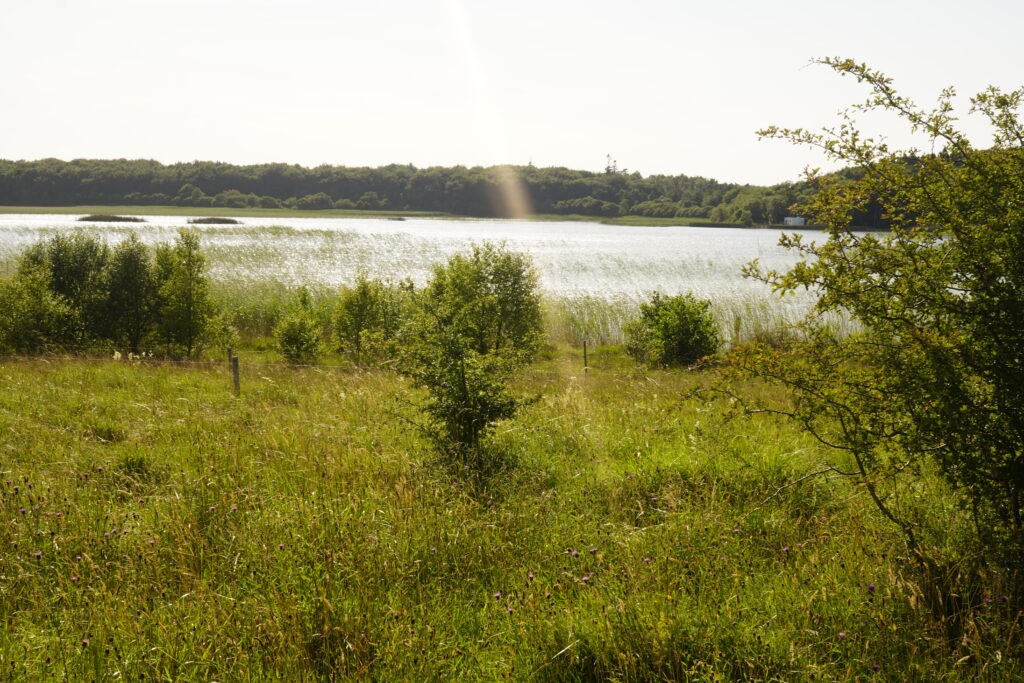
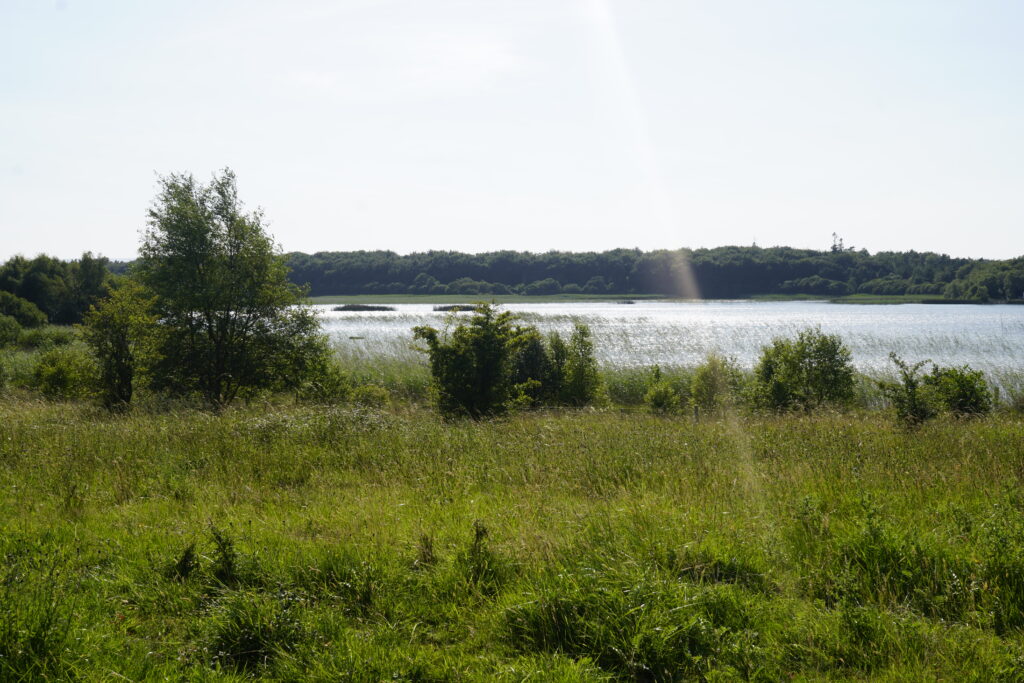
Through the European LIFE funding the LCCA was able to purchase 40 acres along the lakeshore in 2025 to showcase nature friendly farming and other environmentally sensitive land management practices that can benefit nature and water quality in close proximity to delicate aquatic ecosystems like Lough Carra.
The ongoing management of this land is currently being generously supported by the Glaze Foundation.

Designations
The site at Rinaneel is partly within two protected sites: the Lough Carra/Mask Complex Special Area of Conservation (SAC) and the Lough Carra Special Protection Area (SPA). There is also a proposed Natural Heritage Area (pNHA) which overlaps with part of the site.
Habitats at Rinaneel
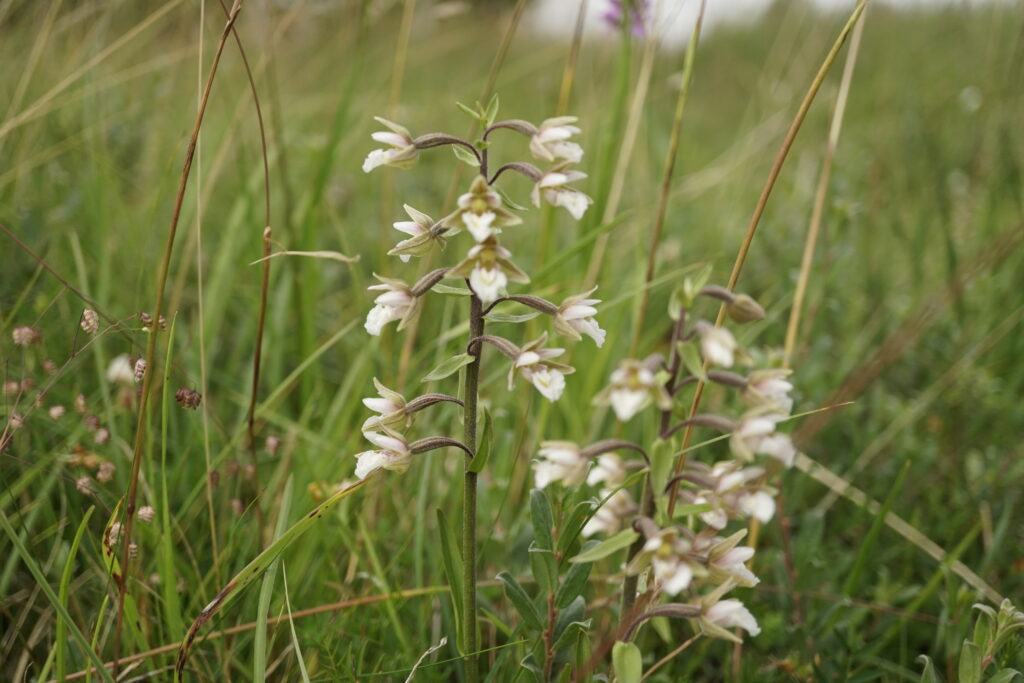
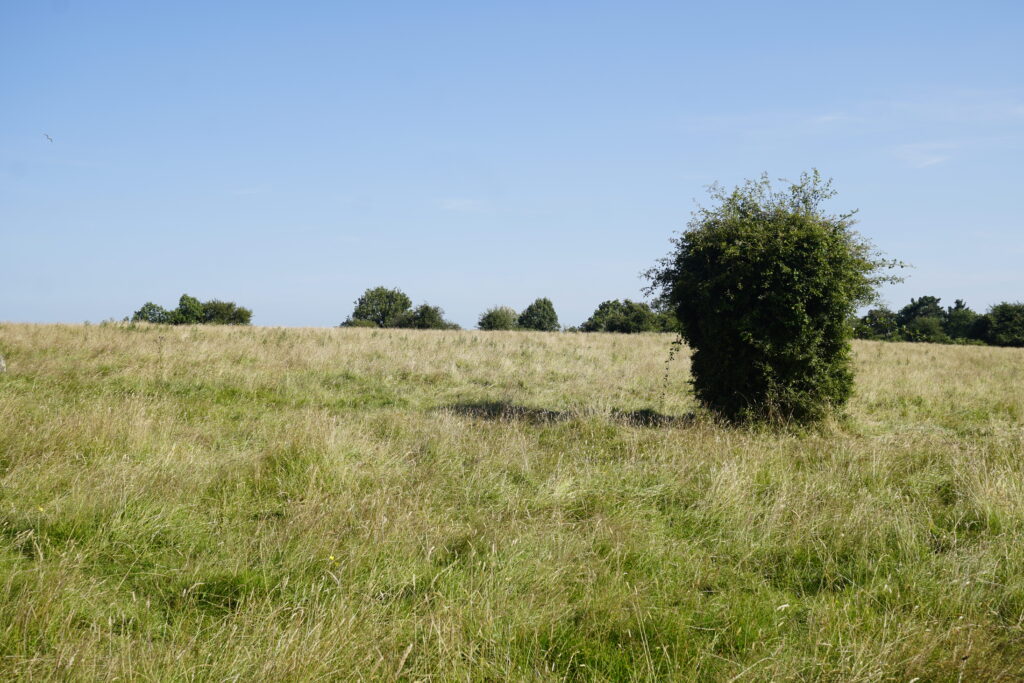
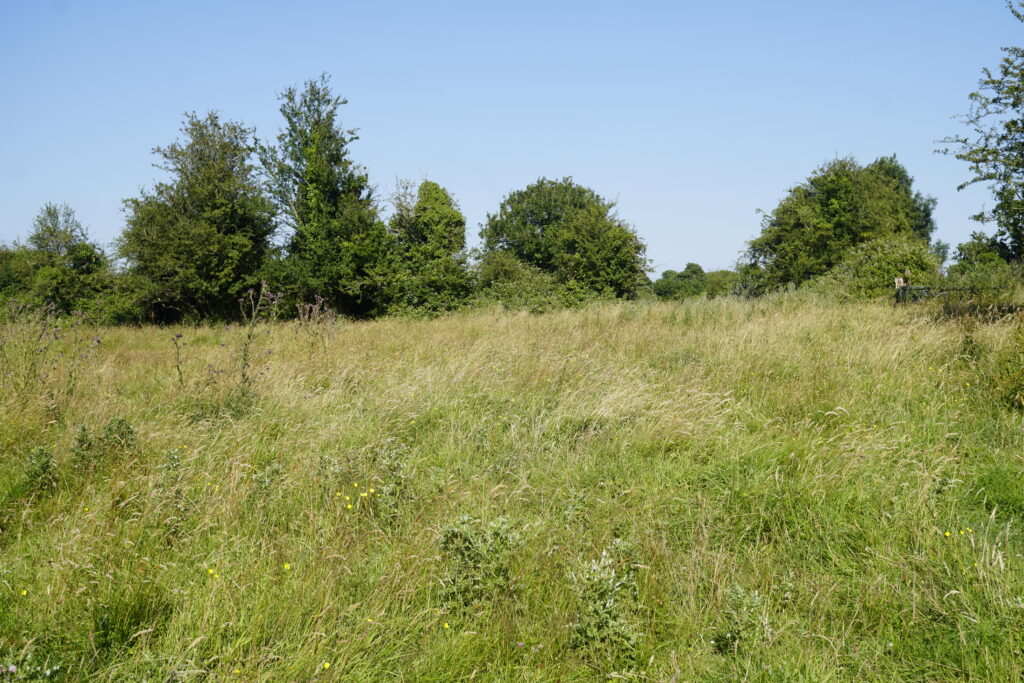
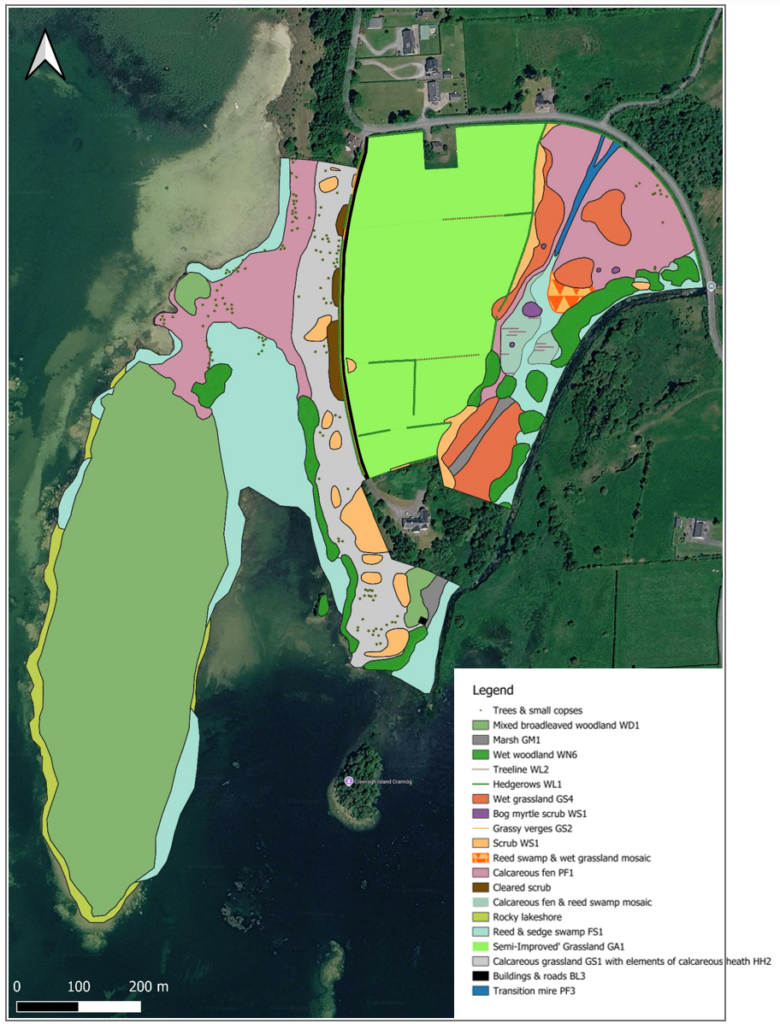
The main habitats at Rinaneel include, mixed broadleaf woodland, wet woodland, scrub, calcareous fen, orchid-rich calcareous grassland and agricultural farmland, with hedgerows.
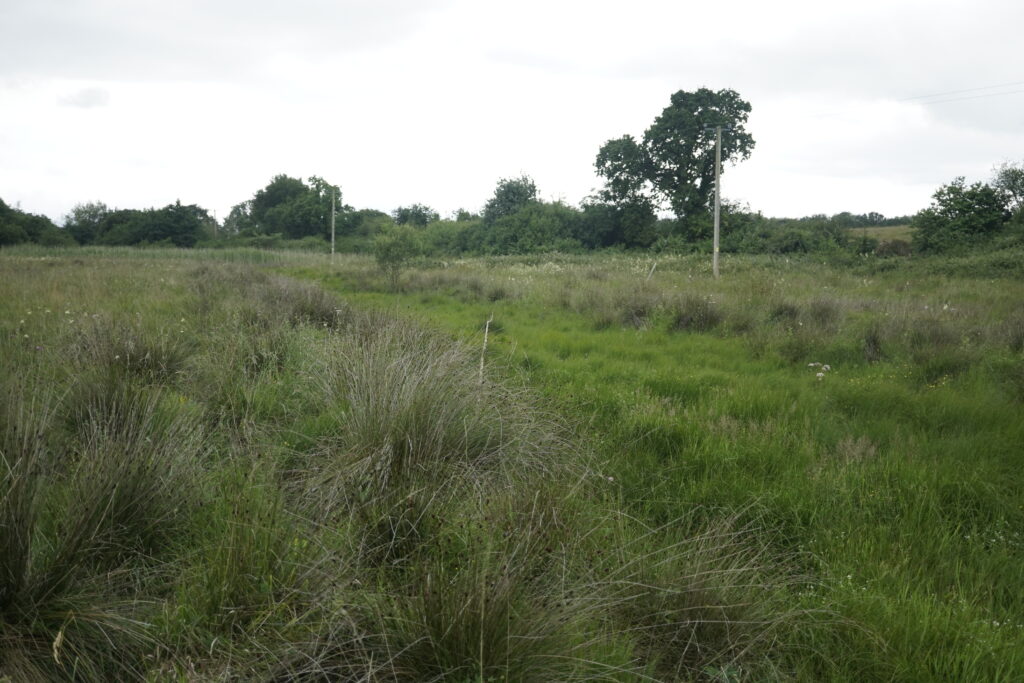
The wetter parts of the land contain a mosaic of wetland habitats, including fen, reed and sedge swamps, marsh, wet grassland. and areas of reed and sedge swamps.
History
In 2025, the Lough Carra Catchment Association bought the land at Rinaneel from Pauline Stanton, who had inherited it from her cousin Babs Stanton. Babs (Mary Margaret) Stanton, who was born in 1926, was a descendant of the Blakes of Tower Hill, who also at one time owned the land at Rinaneel. The Blakes built the original house on the site, which stood approximately where the Shaw-Smith house now stands. The old house is shown on the first edition of the Irish ordnance survey maps, compiled between the 1820s and 1840s. Bab Stanton’s mother was born and grew up in the old house, before marrying Joe Stanton, a local man. Babs Stanton, who never married, lived for a time in the gatehouse and subsequently lived in the cottage at the north end of the land, along the public road, which is currently being renovated. Babs died in 2016.
Previous Land Mangement
Prior to the 1970s, Bab Stanton kept a few cattle on the wooded Connor’s Island, mostly during the winter. In the 1970s, an arrangement was made between the landowner and two brothers, whereby the brothers made a payment in exchange for cutting and selling the timber on the island. At this time, stones were taken from several of the field boundaries at Rinaneel and used in an attempt to make a firm causeway to the island, to make the removal of the timber easier. However, this was not successful, as the stones tended to sink into the marly lake sediment. Sparse lines of stones along the edges of some of the fields at Rinaneel show where stone walls previously stood (Figure 126). Many of the trees on the island were cut during this time, and the timber taken to the shore by boat, to be sold as firewood.
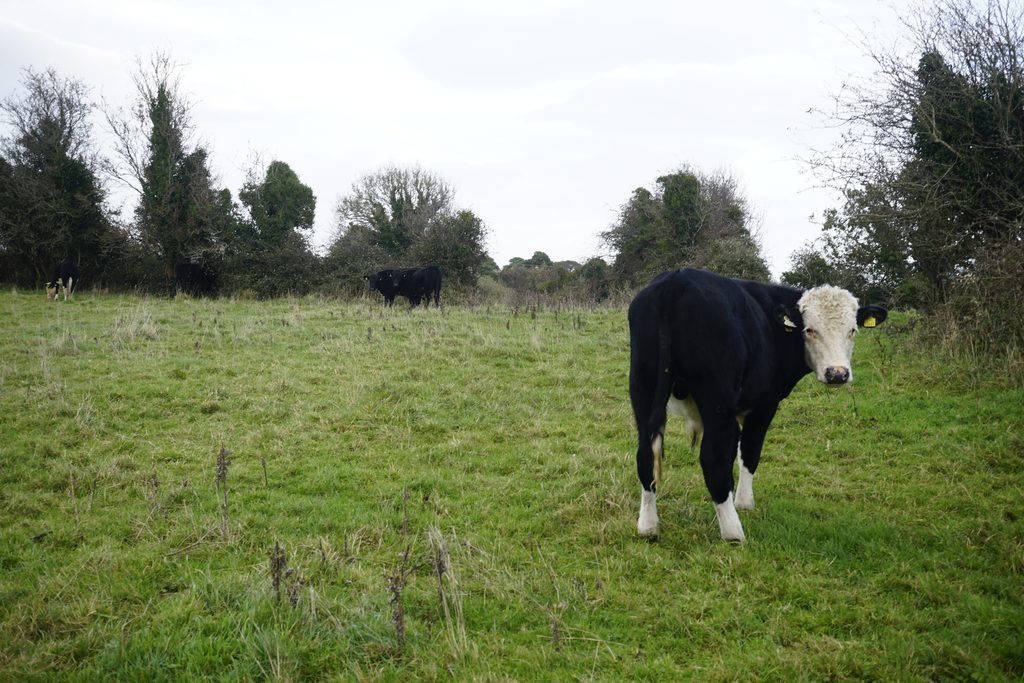
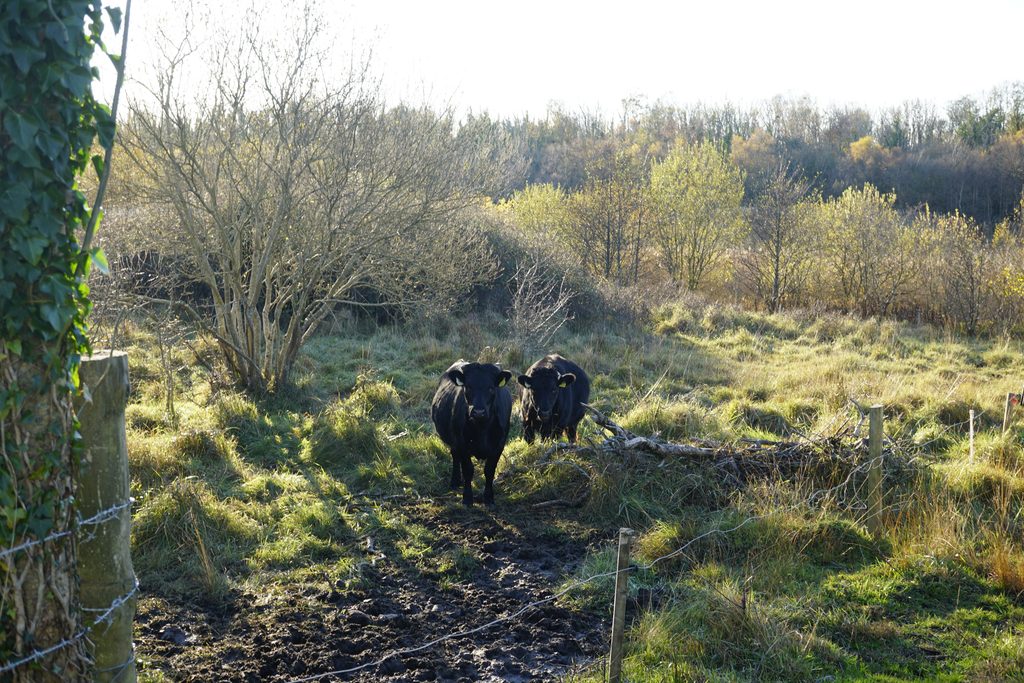
The agricultural grassland at Rinaneel was grazed by both sheep and cattle in the past, and sometimes cut for hay. This land has occasionally had fertiliser applied.
Current Land Management
A ten year management plan for Rinaneel was completed by Philip Doddy in 2026 thanks to funding from the Sunflower Foundation.
The land has been divided into five management zones, and management and conservation objectives have been established for each of these, in line with the conservation objectives of the designated areas and the requirements of the Lough Carra LIFE Project. A suite of actions has been proposed to achieve these objectives, including conserving and restoring habitats, tackling overgrazing by deer, adding features such as a bird hide, sand martin wall and constructed otter holt, increasing native tree cover, using nature-friendly farming methods, and establishing paths and boardwalks for access to different parts of the site.
Monitoring measures are proposed, to assess the degree of success of the actions and to detect long-term changes in habitats and species. There is also considerable scope for ecological research at Rinaneel, including the effects of habitat restoration and the process of woodland restoration and recovery.
Some of the Species Present
Spring Gentians
Bee Orchid
Large-flowered Butterwort
Bird’s nest orchid
Marsh Fritillary Butterfly
Visiting form: https://docs.google.com/forms/d/e/1FAIpQLSfyAWVhxcXU9kigMX1A19IKmn1oCx_eNHuvIMqLL4J8znH1bg/viewform?usp=header
Species recording form: https://docs.google.com/forms/d/e/1FAIpQLSdrOYJc0xrCTaQGtZGzUHFReoyJNlTuwxIcOL0n-MGQ_knNrg/viewform?usp=header